

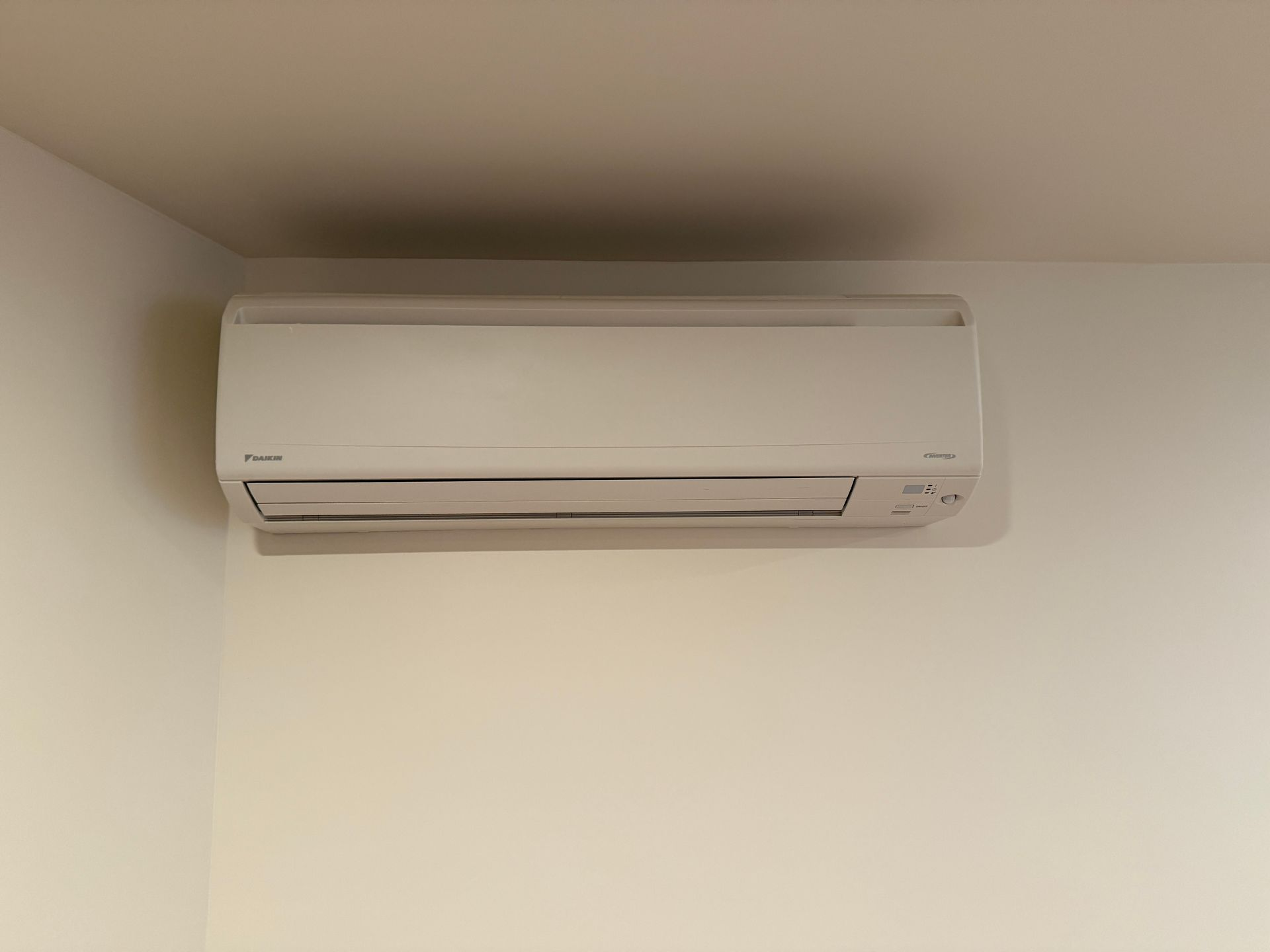
Why Is Your AC Blowing Warm Air?


By Justin Wilkinson July 16, 2026

An air conditioner blowing warm air does not always mean the compressor is dead. Sometimes the thermostat is set wrong or the filter is packed with dust. Other times the system has a frozen coil, electrical failure, refrigerant leak, or outdoor-unit problem that needs a trained technician.

Start with the safe checks below. If the simple items do not solve it, turn the system off and get the cause diagnosed before more damage develops.

Check the Thermostat First

Set the thermostat to cool and lower the target temperature a few degrees below the room temperature. Make sure the fan is set to auto rather than on.

When the fan is set to on, the blower keeps moving air even when the outdoor unit is not cooling. That air can feel warm between cooling cycles. Switching the fan back to auto may solve the complaint.

Also check programmed schedules, vacation modes, and smart-thermostat app settings. Someone may have changed a setting without realizing it.

Look at the HVAC Filter

A clogged filter can reduce airflow across the indoor coil. With too little warm household air moving over that coil, its temperature can drop below freezing. Ice then blocks airflow and cooling gets worse.

Replace a dirty disposable filter with the correct size and airflow direction. If you see ice on the refrigerant line or indoor coil, turn cooling off. Let the blower run only if there is no risk of blowing water into the home as the ice melts.

Do not chip ice off the coil. The metal fins and refrigerant tubing are easy to damage.

Check the Outdoor Unit

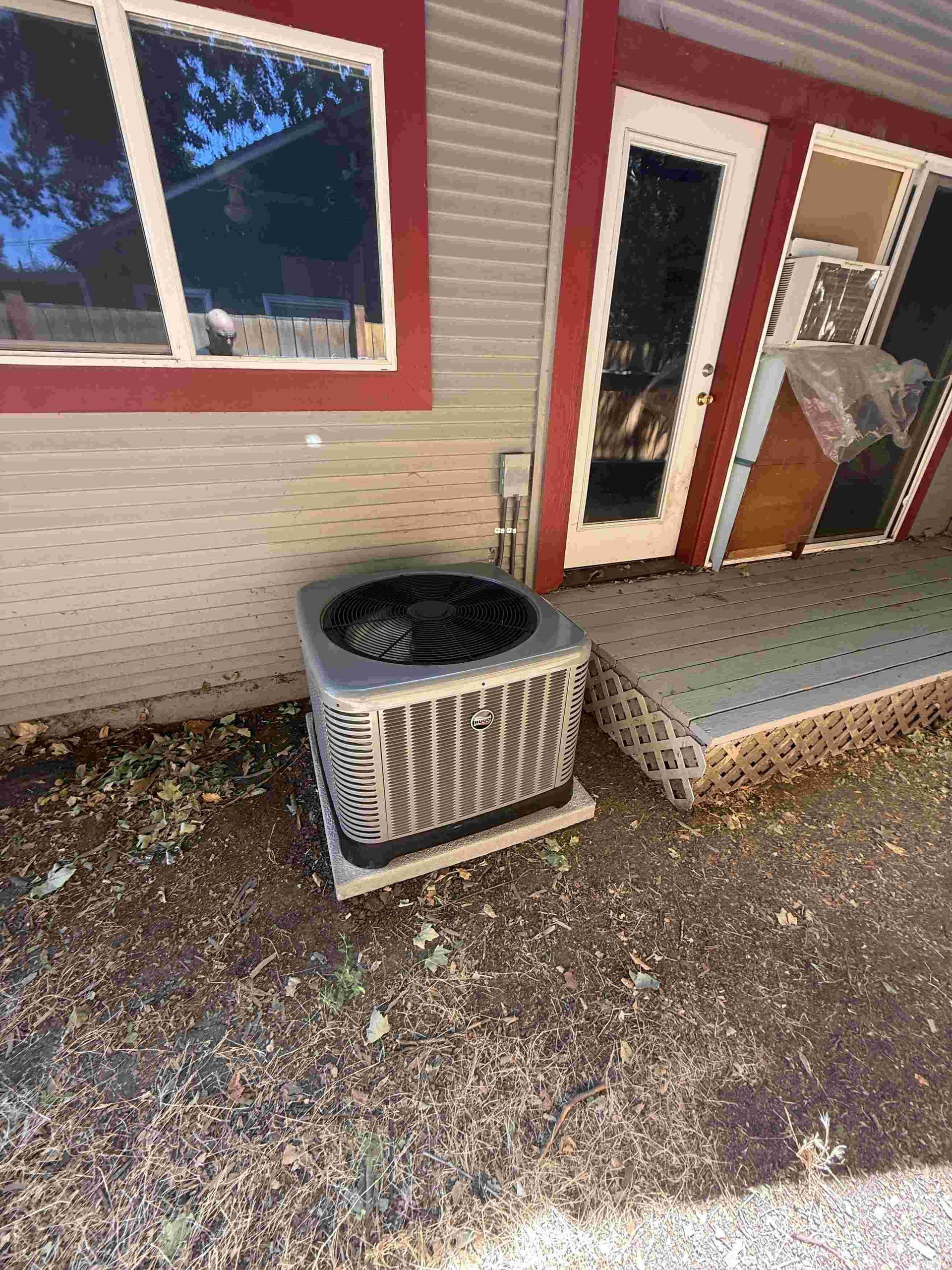
When the thermostat calls for cooling, the outdoor fan and compressor should normally run. If the indoor blower runs but the outdoor unit is silent, check the HVAC breaker and the disconnect only if you know how to do so safely.

Reset a tripped breaker once. If it trips again, leave it off. Repeated resets can damage equipment and create a safety risk.

If the outdoor fan is not turning, do not push it with a stick or open the cabinet. Capacitors can hold a dangerous charge after power is removed.

A Dirty Outdoor Coil Can Reduce Cooling

The condenser coil releases heat outdoors. Grass clippings, leaves, dirt, and debris can block airflow and make the system struggle.

Turn the equipment off before clearing loose debris around the cabinet. Leave coil cleaning and straightening bent fins to someone who knows how to protect the coil. A pressure washer can flatten the fins and make airflow worse.

The Indoor Coil May Be Frozen

A frozen evaporator coil is a symptom, not the root problem. Common causes include a dirty filter, weak blower, blocked return, dirty coil, duct restriction, low refrigerant, or control problem.

Running the air conditioner while it is frozen does not help it thaw. It can strain the compressor and create a water mess when the ice melts.

Turn cooling off and schedule service if the ice returns after the filter and airflow basics are checked.

Refrigerant May Be Low

An air conditioner is a sealed system. It should not need refrigerant added every summer. A low charge usually points to a leak or an installation problem.

Signs can include poor cooling, long run times, ice on the coil, or hissing near a refrigerant line. Those symptoms overlap with airflow and mechanical problems, so pressure readings and temperature measurements matter.

Adding refrigerant without finding the cause is a temporary patch. Trademark Tek checks system operation and looks for the reason the charge is wrong.

Electrical Parts Can Fail Under Summer Load

Capacitors, contactors, motors, wiring, and compressor components work hard during a long cooling cycle. Heat and age can push a weak part over the edge.

You may hear humming, clicking, buzzing, or an attempt to start followed by a shutdown. Electrical diagnosis belongs to a technician. The cabinet contains line voltage and stored electrical energy.

Duct Problems Can Deliver Warm Air

The air conditioner may be producing cold air while damaged or disconnected ducts pull hot attic air into the system. Leaky ducts can also dump cooled air into an attic or crawlspace before it reaches the room.

Uneven temperatures, weak airflow in one part of the house, high utility use, and dusty air can point toward duct trouble. A visual inspection of accessible connections may reveal a problem, but hidden sections often need testing.

The System May Be Undersized or Poorly Installed

On a very hot day, a correctly sized system may run for long periods. It should still move cool air and make steady progress toward the thermostat setting.

If the equipment has struggled since it was installed, the issue may involve system sizing, refrigerant charge, airflow setup, duct design, or control configuration. Replacing parts will not fix a design or installation error.

This is where careful troubleshooting matters. Justin's military HVAC background includes electrical and mechanical diagnosis across complete systems, not part swapping.

When to Call for AC Repair

Call for service if:

  • The breaker trips again after one reset.
  • The outdoor unit will not start.
  • Ice returns after the filter is replaced.
  • The system cools for a while, then blows warm air.
  • You hear grinding, hard buzzing, or repeated clicking.
  • Water is leaking near the indoor equipment.
  • The house stays warm even though the system runs constantly.

Trademark Tek provides AC repair in Medford and throughout Southern Oregon. If your AC is blowing warm air, call 541-500-0663. Justin will diagnose the problem, explain what failed, and tell you what it takes to fix it.

Get a Free Quote

Submit your project info to schedule your free in-person quote today.

Latest Articles

Outdoor central air conditioning unit maintained by Trademark Tek in Southern Oregon
By Justin Wilkinson July 16, 2026
Use this central air conditioning maintenance checklist to protect airflow, drainage, and cooling performance during a Southern Oregon summer.
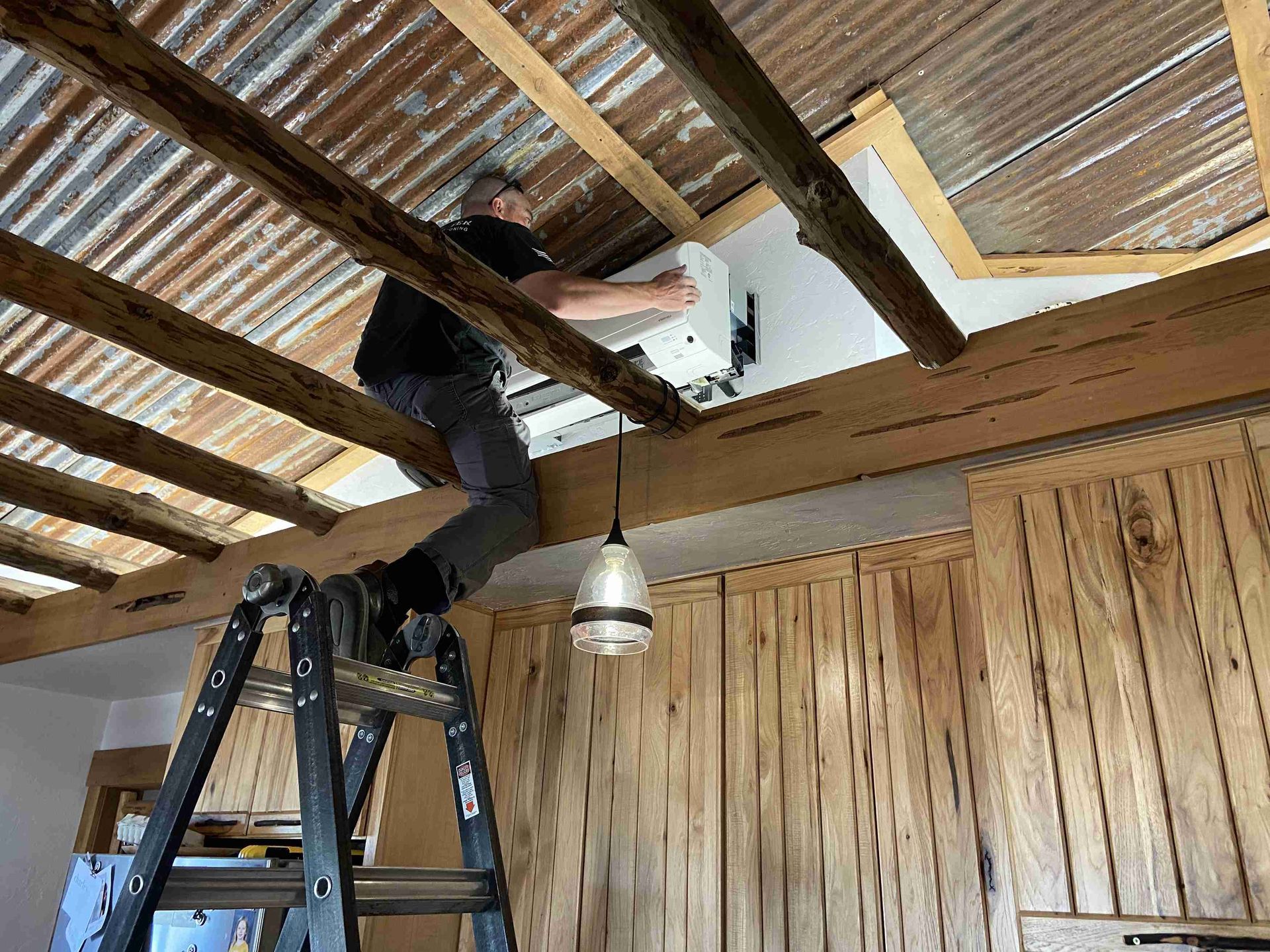
Trademark Tek technician installing a ductless mini split in a Southern Oregon home
By Justin Wilkinson July 16, 2026
Follow this practical mini split maintenance guide for filters, drains, airflow, and outdoor units, plus signs your ductless system needs professional service.
HVAC air filter checked before summer cooling season in a Southern Oregon home
By Justin Wilkinson July 16, 2026
Learn how often to change your HVAC air filter, signs it is clogged, and when Southern Oregon heat, smoke, pets, or pollen call for faster replacement.
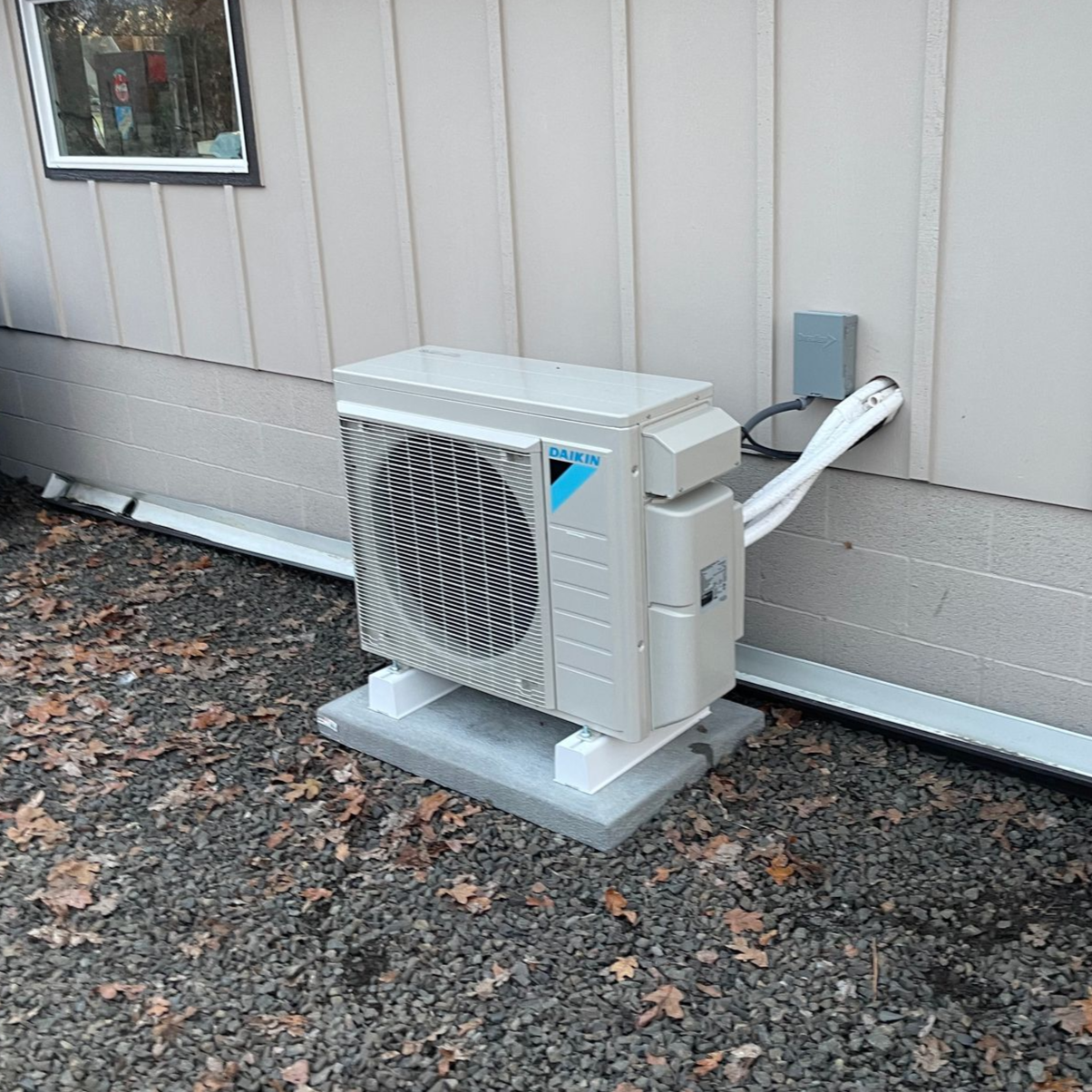
Heat Pump on side of house.
By Justin Wilkinson April 6, 2026
A complete heat pump maintenance guide with monthly, seasonal, and annual checklists. Learn what you can do yourself and what needs a pro before something breaks.
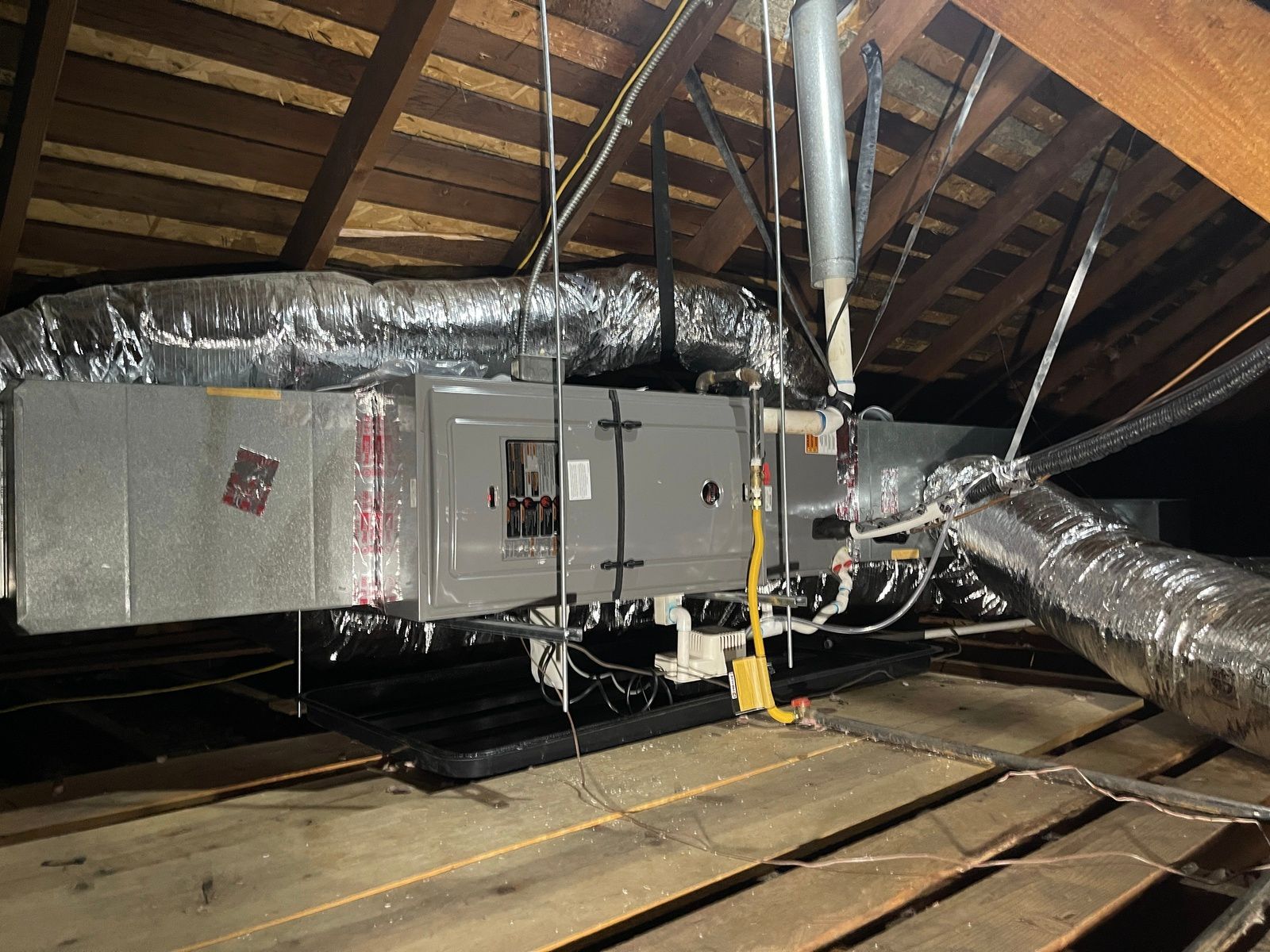
HVAC unit in an attic with ductwork, electrical wires, and wooden rafters inside a Medford, Oregon home.
By Justin Wilkinson March 10, 2026
Furnace running but not blowing hot air? Discover 11 common causes, DIY troubleshooting steps, and when to call a professional HVAC technician for help.
