Central Air Conditioning Maintenance for Southern Oregon Homes
By Justin Wilkinson • July 16, 2026

Central air conditioning maintenance is easiest to schedule before the first long heat wave. But if summer is already here, the next best time is now. A neglected system can keep running while airflow falls, coils get dirty, and small electrical problems turn into a no-cooling call on the hottest afternoon of the year.
Homeowners can handle a few useful checks. The rest belongs to a technician with the tools to test the system safely.
Start Central Air Conditioning Maintenance With the Filter
Check the HVAC filter every month during cooling season. Replace it when it looks dirty, and do not stretch a disposable filter past the equipment or filter manufacturer's schedule.
A clogged filter restricts return airflow. That makes the blower work harder and reduces the amount of air moving across the indoor coil. The result may be weak cooling, longer run times, an iced coil, or extra wear on the equipment.
If you replace the filter and airflow still feels weak, stop guessing. Duct problems, a dirty blower wheel, a dirty coil, or a failing motor can create similar symptoms.
Keep the Outdoor Condenser Clear
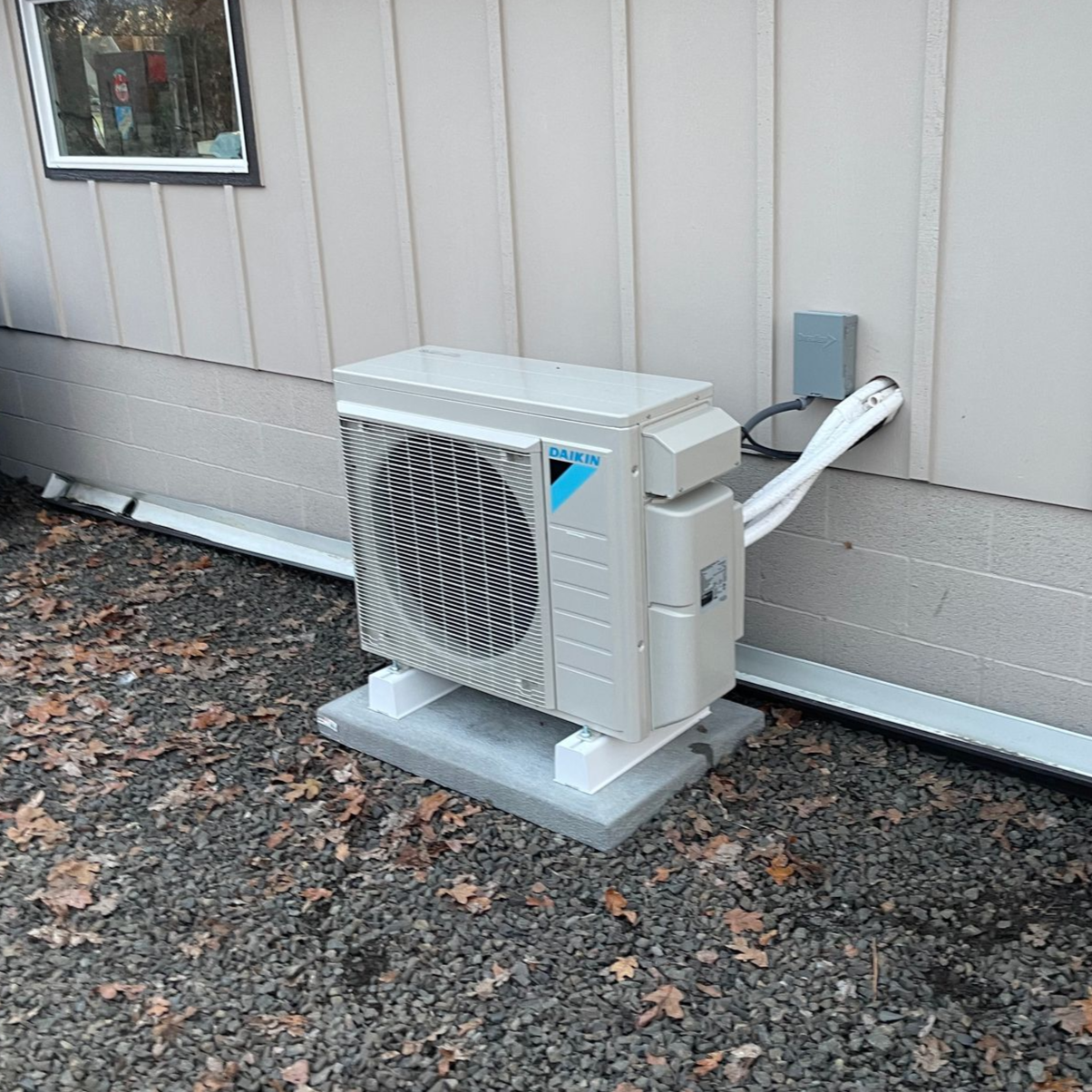
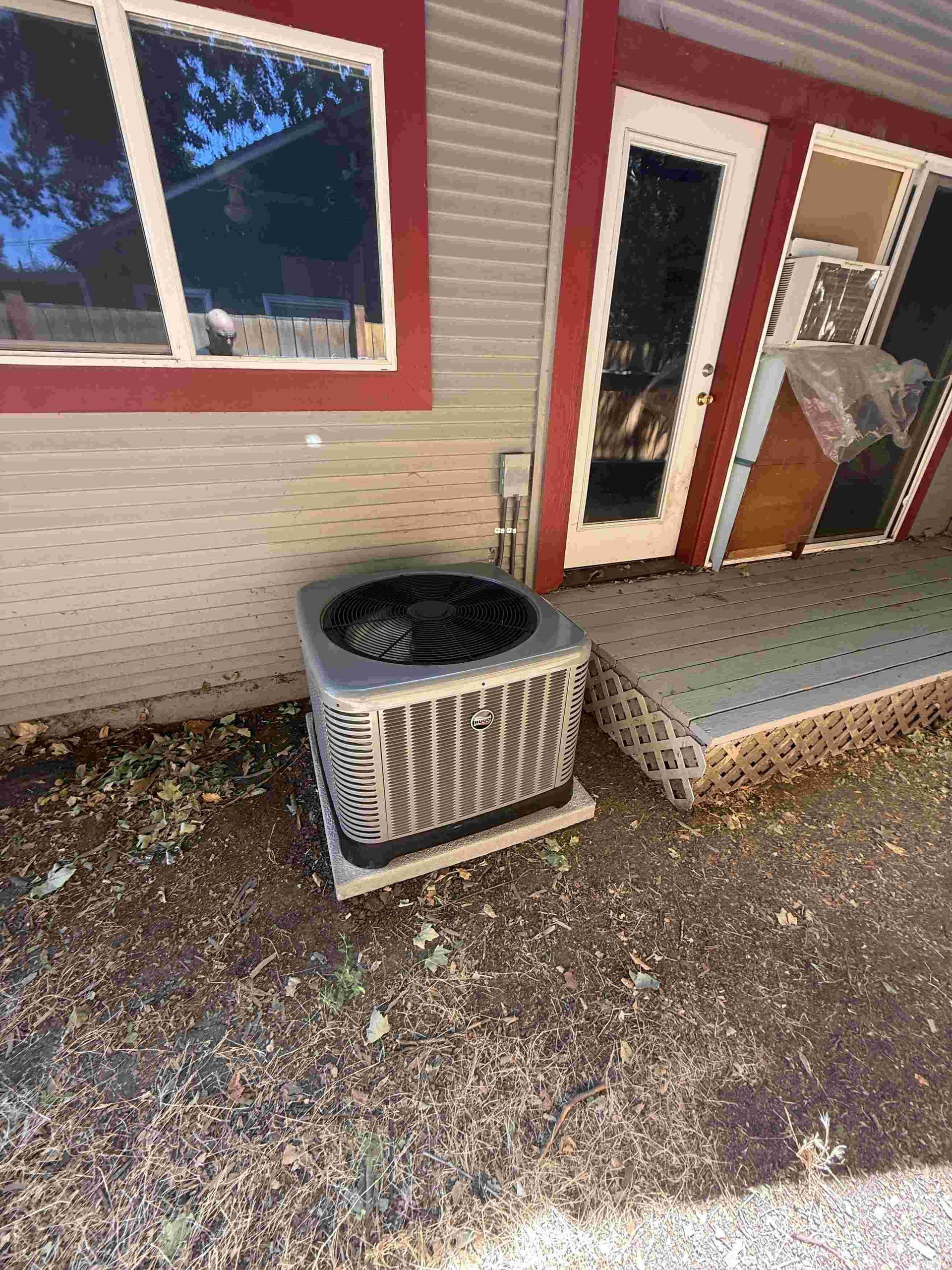
The outdoor unit releases heat collected inside the house. It cannot do that well when the coil is packed with grass, leaves, dirt, or cottonwood fluff.
Turn the system off before removing loose debris around the cabinet. Trim vegetation back so the unit has open space for airflow. Do not stack items against it, cover it while it is running, or use a pressure washer on the coil.
Look for a shifted pad, damaged cabinet, chewed wiring, or bent refrigerant lines. Those issues need professional attention.
Check the Thermostat Before Calling for Repair
Make sure the thermostat is set to cool and the target temperature is below the room temperature. Confirm that programmed schedules, vacation settings, or app controls have not changed the setpoint.
Replace the thermostat batteries if it uses them. If the display is blank after that, or the breaker trips again after one reset, do not keep cycling power. An electrical problem needs diagnosis.
Pay Attention to the Condensate Drain
Air conditioners remove moisture while they cool. The water collects in a drain pan and leaves through a condensate line. Algae, debris, a failed pump, or a damaged line can cause water near the indoor unit.
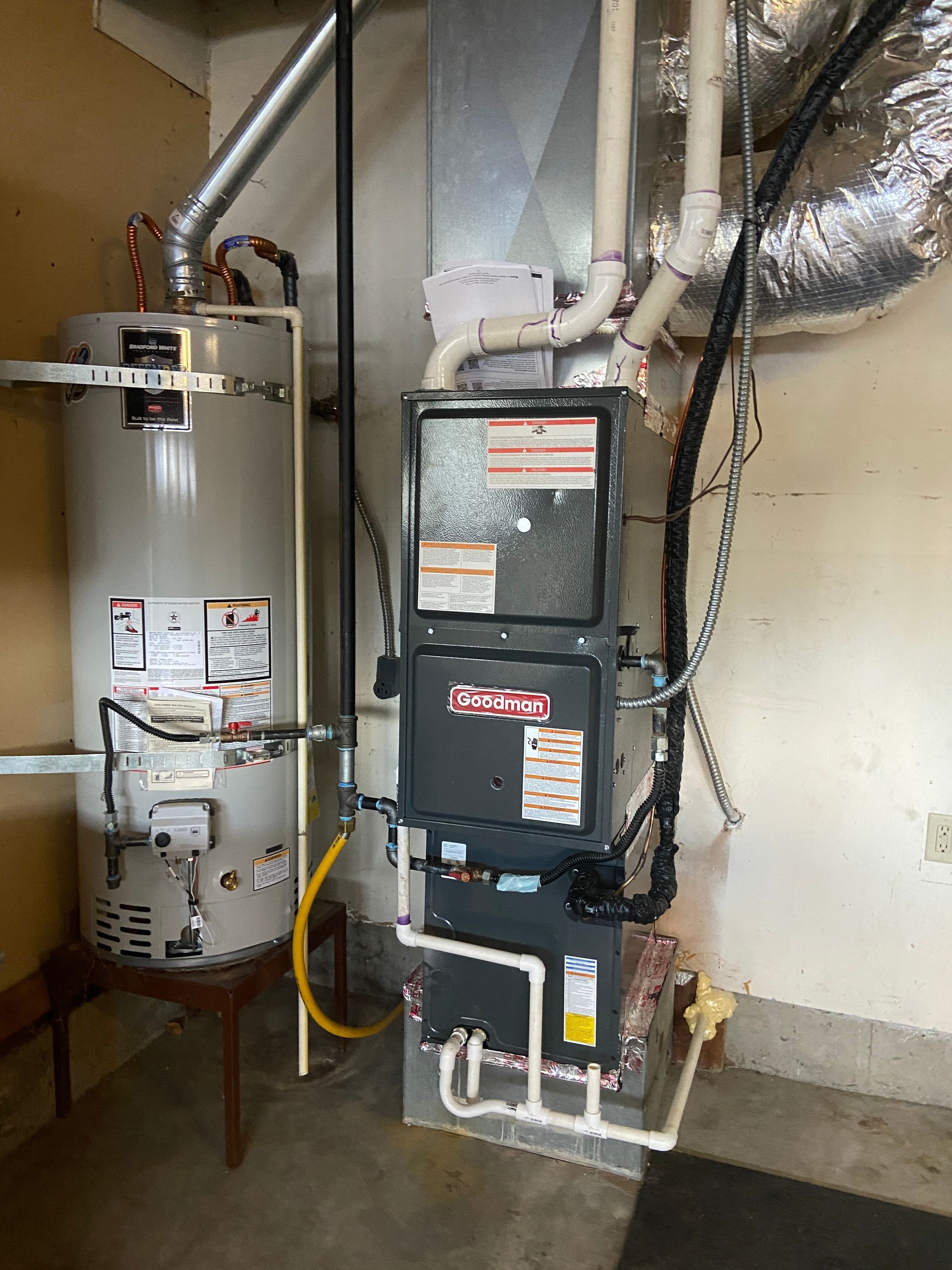
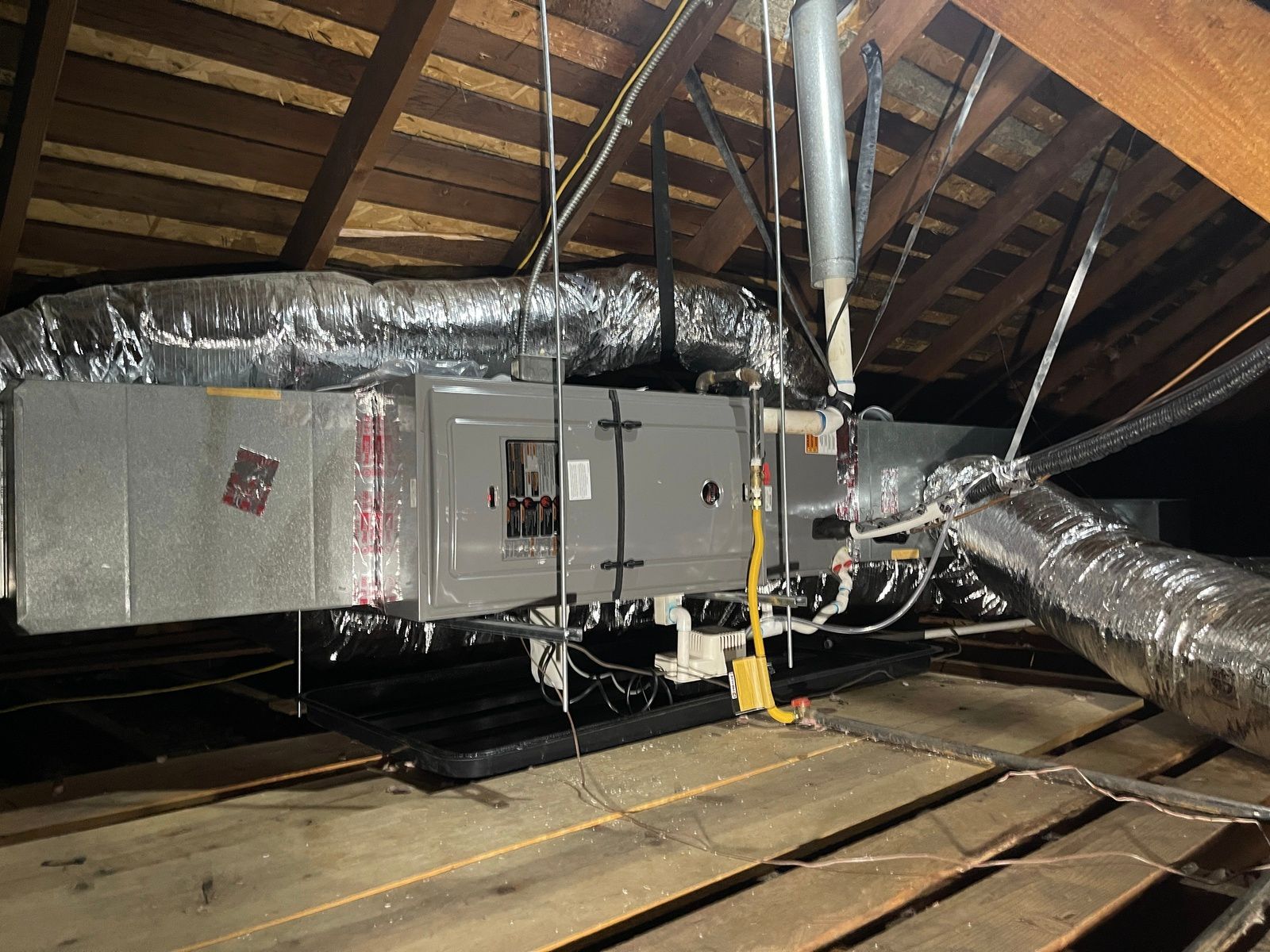
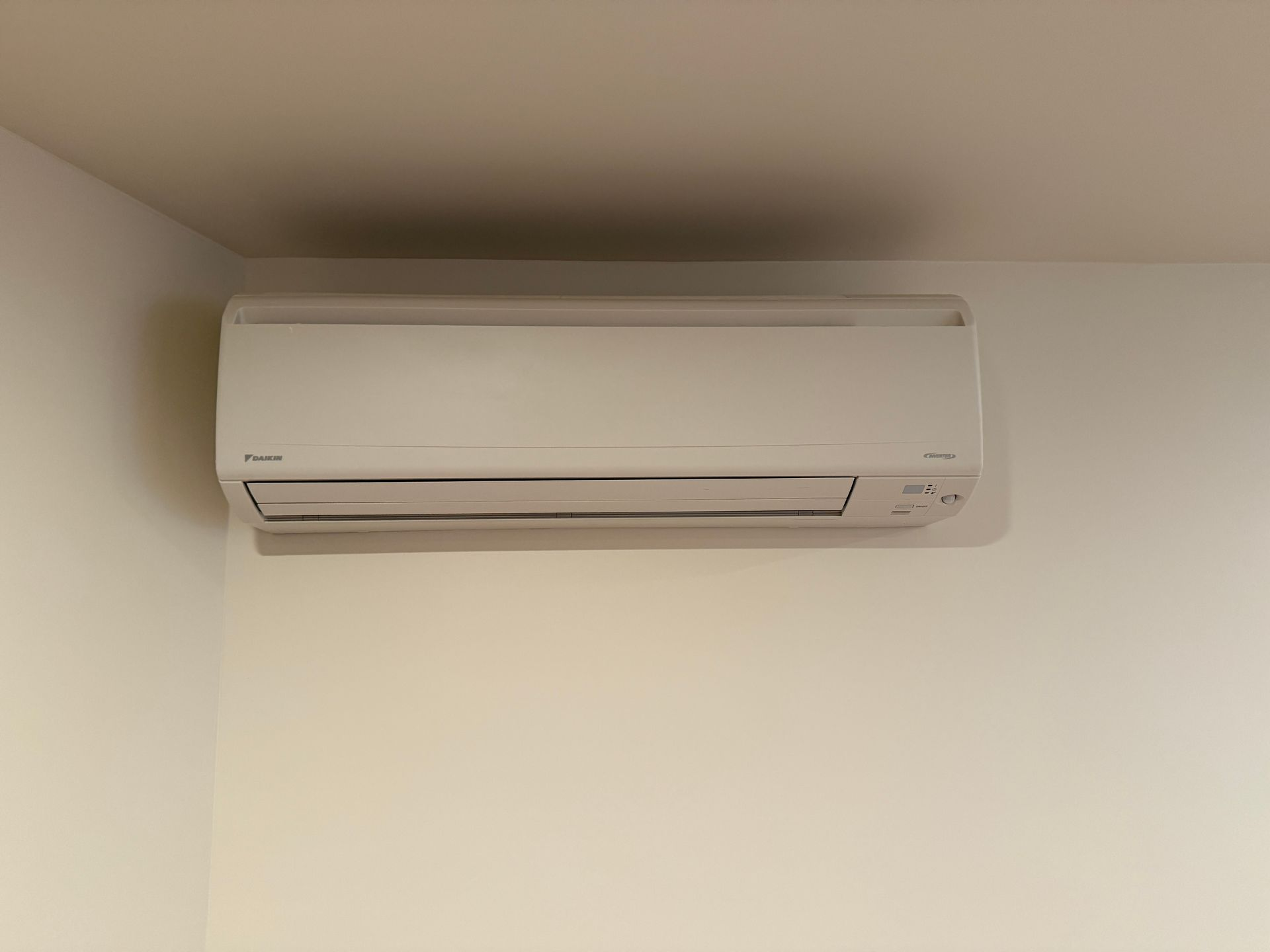
Check the area around the furnace or air handler for moisture. Some systems have a safety switch that shuts off cooling when the drain backs up. That shutdown protects the house from water damage, but it still means the drain problem needs to be fixed.
Do not ignore stains, rust, or repeated water around the equipment. Water can damage ceilings, floors, and the HVAC cabinet.
Listen for Changes
You know the normal sound of your system. A new buzz, rattle, squeal, grinding sound, or hard-start noise is worth checking.
Some noises come from a loose panel. Others point to a motor, capacitor, fan, compressor, or electrical problem. Shut the system off if you hear grinding, smell something burning, or see smoke.
Longer run times matter too. A system that once held the house comfortably but now runs without catching up may have an airflow issue, dirty coil, refrigerant problem, duct leak, control problem, or loss of capacity.
What a Professional AC Maintenance Visit Should Cover
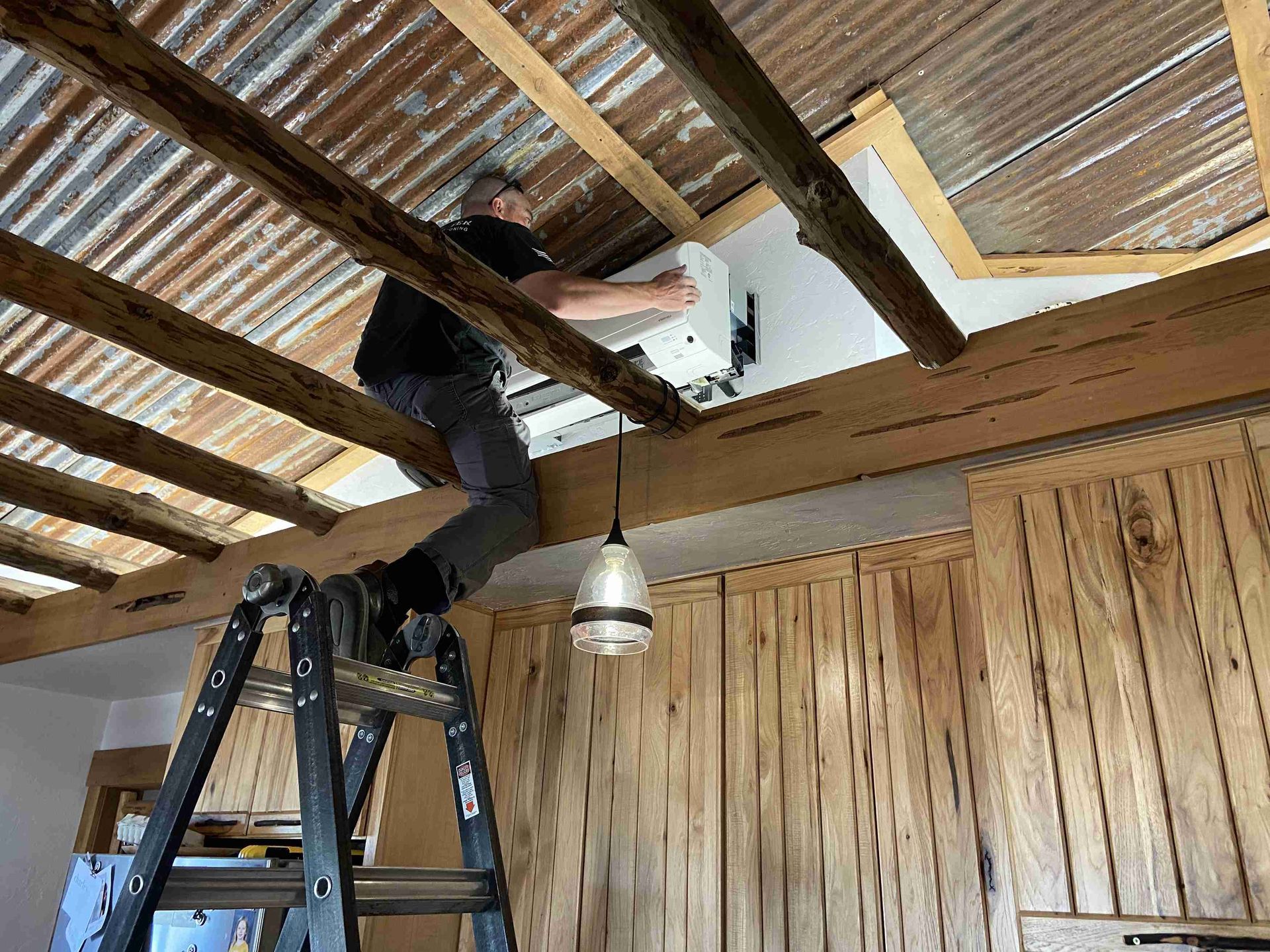
ENERGY STAR recommends an annual pre-season checkup. A proper visit is not just a quick look at the outdoor unit. The technician should inspect how the whole system starts, runs, moves air, drains water, and shuts down.
Depending on the equipment, the work may include:
- Checking thermostat operation and temperature readings.
- Inspecting electrical connections, voltage, and motor current.
- Testing capacitors, contactors, safety controls, and the start cycle.
- Cleaning the indoor and outdoor coils when needed.
- Inspecting and clearing the condensate system.
- Checking blower components and airflow.
- Evaluating refrigerant performance and signs of leakage.
- Looking at duct connections and visible insulation problems.
An air conditioner does not consume refrigerant like a car consumes fuel. Low refrigerant usually means the charge was wrong or refrigerant escaped. The answer is not repeated topping off. The leak or charging problem needs to be found.
When Maintenance Becomes Repair
Maintenance can prevent some failures, but it cannot undo a worn motor or repair a leaking coil. A technician may find a component that is already outside its normal operating range.
That does not automatically mean the whole system needs replacement. Trademark Tek's approach is to diagnose the actual fault, explain the options in plain English, and recommend what the equipment needs. Sometimes that is cleaning and adjustment. Sometimes it is a repair. Replacement should follow the condition of the system and the homeowner's goals, not a sales quota.
Do Not Wait for the Hottest Day
Southern Oregon cooling systems work hardest when outdoor temperatures stay high for days at a time. That is when an already weak capacitor, dirty coil, or marginal motor is most likely to show itself.
If your central air conditioner is running longer, cooling unevenly, making new noises, or falling behind, schedule service before it quits completely. Trademark Tek provides AC maintenance and repair in Medford and throughout Southern Oregon. Call 541-500-0663 for an honest assessment.
Get a Free Quote
Submit your project info to schedule your free in-person quote today.