How Often Should You Change Your HVAC Air Filter?
By Justin Wilkinson • July 16, 2026
Southern Oregon summers put a lot of hours on an air conditioner. When the system runs most of the day, the air filter collects dust, pet hair, pollen, and smoke much faster than it does during mild weather. A filter that looked fine in May can become a real airflow restriction by July.
For most homes, check the HVAC filter every month and replace it at least every three months. That is the baseline recommendation from ENERGY STAR. Your home may need a shorter schedule depending on the filter, the equipment, and what is in the air.
A Practical HVAC Air Filter Replacement Schedule
The printed life on the filter package is a starting point. It is not a promise. A "90-day" filter may need replacement after 30 days when the air conditioner is running hard.
Use this schedule as a practical guide:
- Check every filter once a month.
- Replace a standard 1-inch filter every 30 to 90 days.
- Check more often during wildfire smoke, heavy pollen, remodeling, or dusty weather.
- Check more often if the home has pets or someone with allergies.
- Follow the equipment manufacturer's instructions for thick media filters and reusable filters.
If the filter looks gray, loaded with debris, or hard to see light through, replace it. Do not wait for the date on the calendar.
Why a Dirty HVAC Filter Causes Problems
Your blower has to pull air through the filter before it can move conditioned air through the house. As the filter loads up, airflow drops. The system then works harder to move less air.
Low airflow can cause weak cooling, longer run times, uneven room temperatures, and higher power use. In some systems, poor airflow can also contribute to an iced evaporator coil. Once that coil freezes, the air conditioner may stop cooling until the ice melts and the underlying problem is fixed.
A filter is cheap. A blower motor, frozen coil service call, or premature system failure is not. ENERGY STAR warns that a dirty filter can raise energy use and contribute to early equipment failure.
Signs Your Air Filter Needs to Be Replaced
You do not need special tools to spot a filter problem. Look for these signs:
- The filter is visibly dark or packed with dust.
- Airflow from the supply vents feels weaker than normal.
- The system runs longer but the house still feels warm.
- Dust returns quickly after cleaning.
- The indoor unit or return grille makes a new whistling sound.
- The air conditioner starts and stops more often than usual.
- Ice appears on the refrigerant line or indoor coil.
A dirty filter is not the only cause of these symptoms. It is simply the first thing worth checking because it is quick and safe.
Where Is the HVAC Filter?
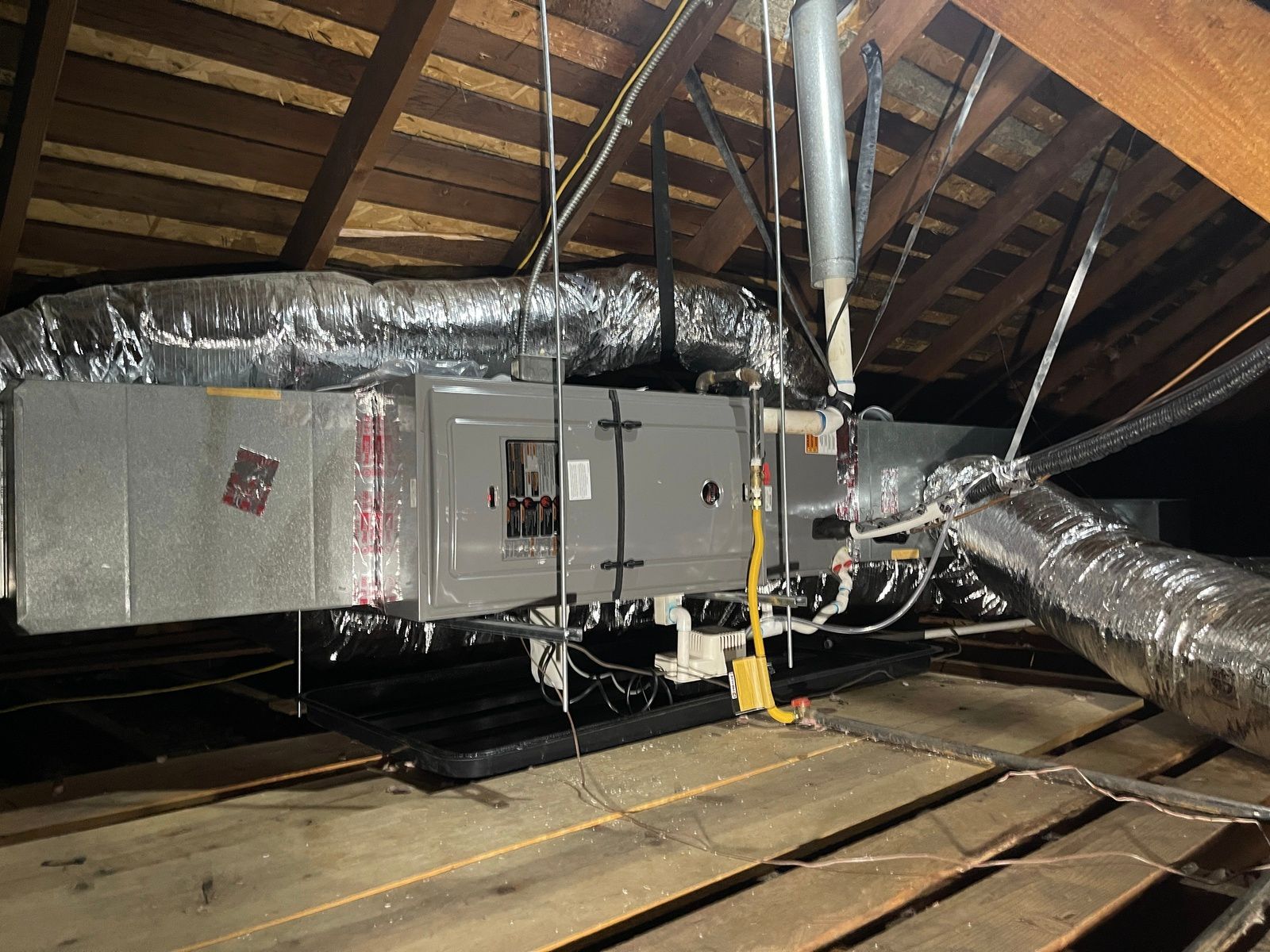
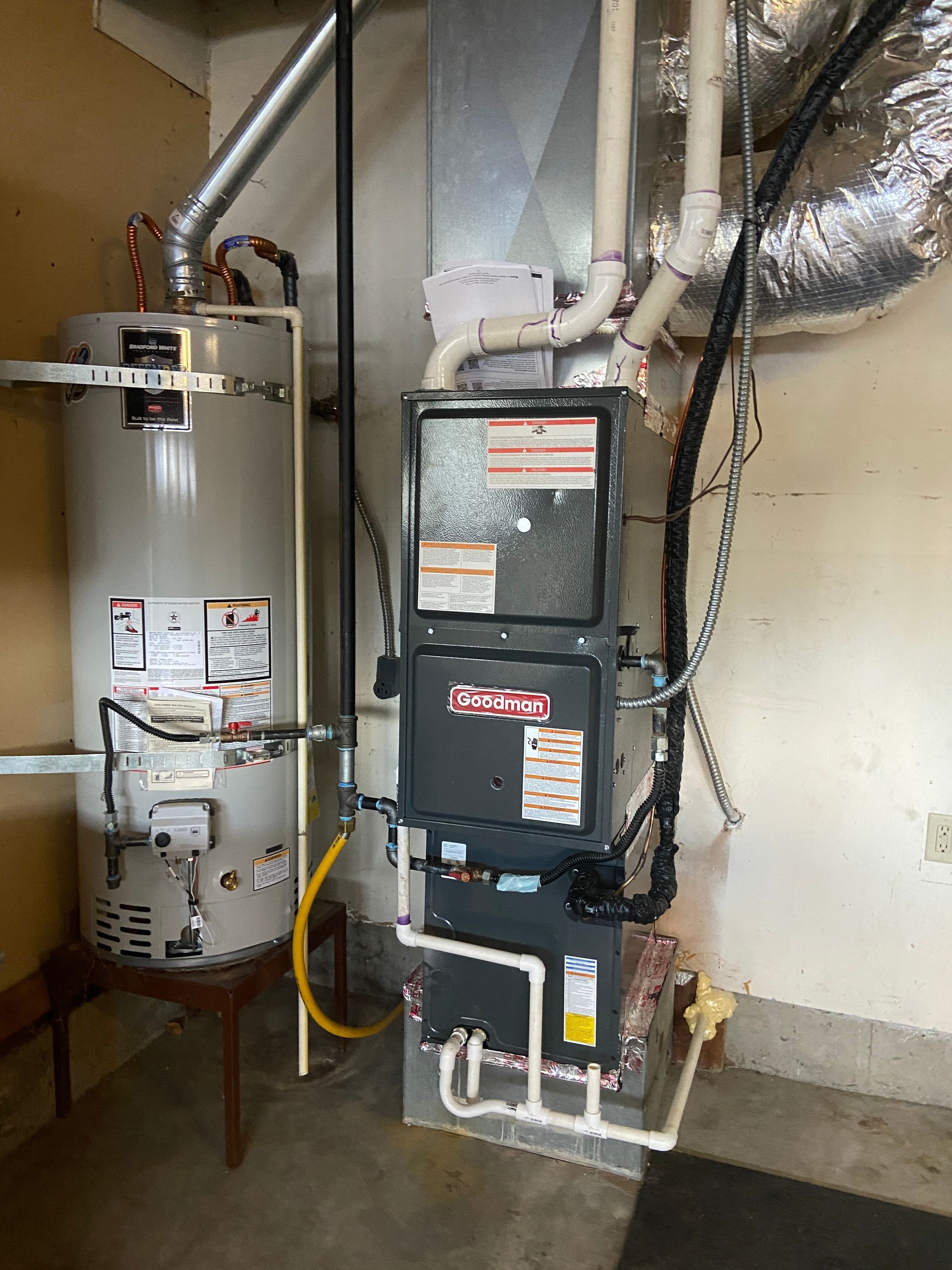
Most central systems have a filter in one of two places. It may sit behind a large return-air grille in a wall or ceiling, or it may slide into a slot near the furnace or air handler.
Some homes have more than one return filter. Others use one thick media filter at the equipment. If you cannot find yours, do not start removing service panels. Trademark Tek can show you where the filter belongs and confirm the correct size during a maintenance visit.
How to Replace an HVAC Air Filter
Turn the system off at the thermostat before removing the old filter. Note the size printed on the frame, then look for the airflow arrow.
The arrow should point toward the furnace or air handler, which is the direction the air moves through the return duct. Slide the new filter into place without crushing the frame. Close the grille or filter cover, then turn the system back on.
Write the replacement date on the filter frame or set a monthly reminder on your phone. A simple reminder is easier than trying to remember how long the filter has been in place.
Do You Need the Highest MERV Rating?
Not always. MERV describes how well a filter captures particles, but a higher number can also create more resistance to airflow. The right filter depends on the blower, duct system, filter cabinet, and indoor-air needs.
Do not assume that the thickest or highest-rated filter on the shelf is automatically better for your system. If you want better filtration for smoke, allergies, or pets, ask an HVAC technician what the equipment can handle without hurting airflow.
Wildfire Smoke Changes the Schedule
Smoke can load a filter quickly in the Rogue Valley. During a smoky stretch, check the filter every couple of weeks. Replace it when it is dirty even if it is still relatively new.
Keep windows closed when outdoor air quality is poor, and avoid running equipment with a clogged filter. If smoke odor or particles remain a problem indoors, the answer may involve the filter cabinet, duct leakage, or a separate air-cleaning option. The right fix depends on the house and the equipment.
Filter Replacement Helps, but It Is Not Full AC Maintenance
Changing the filter protects airflow, but it does not clean the coils, test electrical components, inspect the drain, or verify refrigerant performance. ENERGY STAR recommends an annual pre-season HVAC checkup for that work.
If your air conditioner still has weak airflow, freezes up, or struggles to cool after a fresh filter goes in, the system needs a proper diagnosis. Trademark Tek provides residential cooling service in Medford and Southern Oregon. Call 541-500-0663 and Justin can help find the real cause instead of guessing at parts.
Get a Free Quote
Submit your project info to schedule your free in-person quote today.