
Mini Split Maintenance: What Homeowners Should Do
By Justin Wilkinson • July 16, 2026

A ductless mini split can heat and cool efficiently, but it still needs regular attention. Dust builds up on the indoor filter and coil. Leaves collect around the outdoor unit. Drain lines can clog. A system that keeps running through all of that may lose airflow, leak water, smell musty, or work much harder than it should.
Good mini split maintenance has two parts. Homeowners keep the equipment clean and watch for changes. A trained technician handles the electrical, refrigerant, drainage, and deep-cleaning work.
Monthly Mini Split Maintenance
Start with the indoor filter. Most wall-mounted mini splits use washable screens behind the front cover. Turn the system off, open the cover as directed in the owner's manual, and remove the filters carefully.
Vacuum loose dust or rinse the filters with clean water if the manufacturer allows it. Let them dry completely before reinstalling them. Mitsubishi Electric recommends cleaning the washable filters in its ductless units about once a month. Your equipment may have different instructions, so check the manual before using water or cleaners.
While the filters are out, look at the indoor unit. A light layer of dust on the cover is normal. Heavy buildup on the blower wheel, visible mold-like growth, or a musty odor needs more than a quick wipe.
Keep the Outdoor Unit Clear
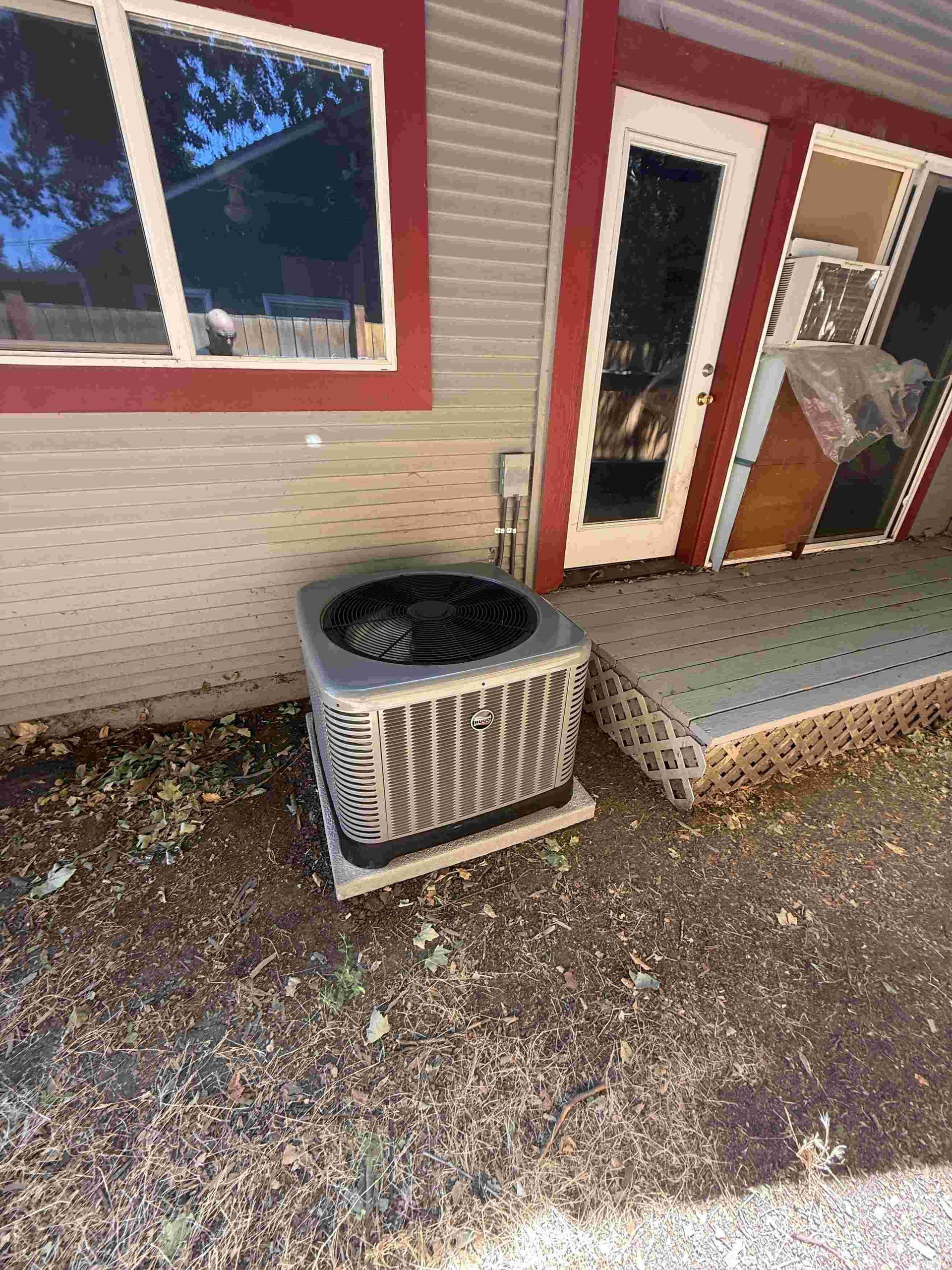
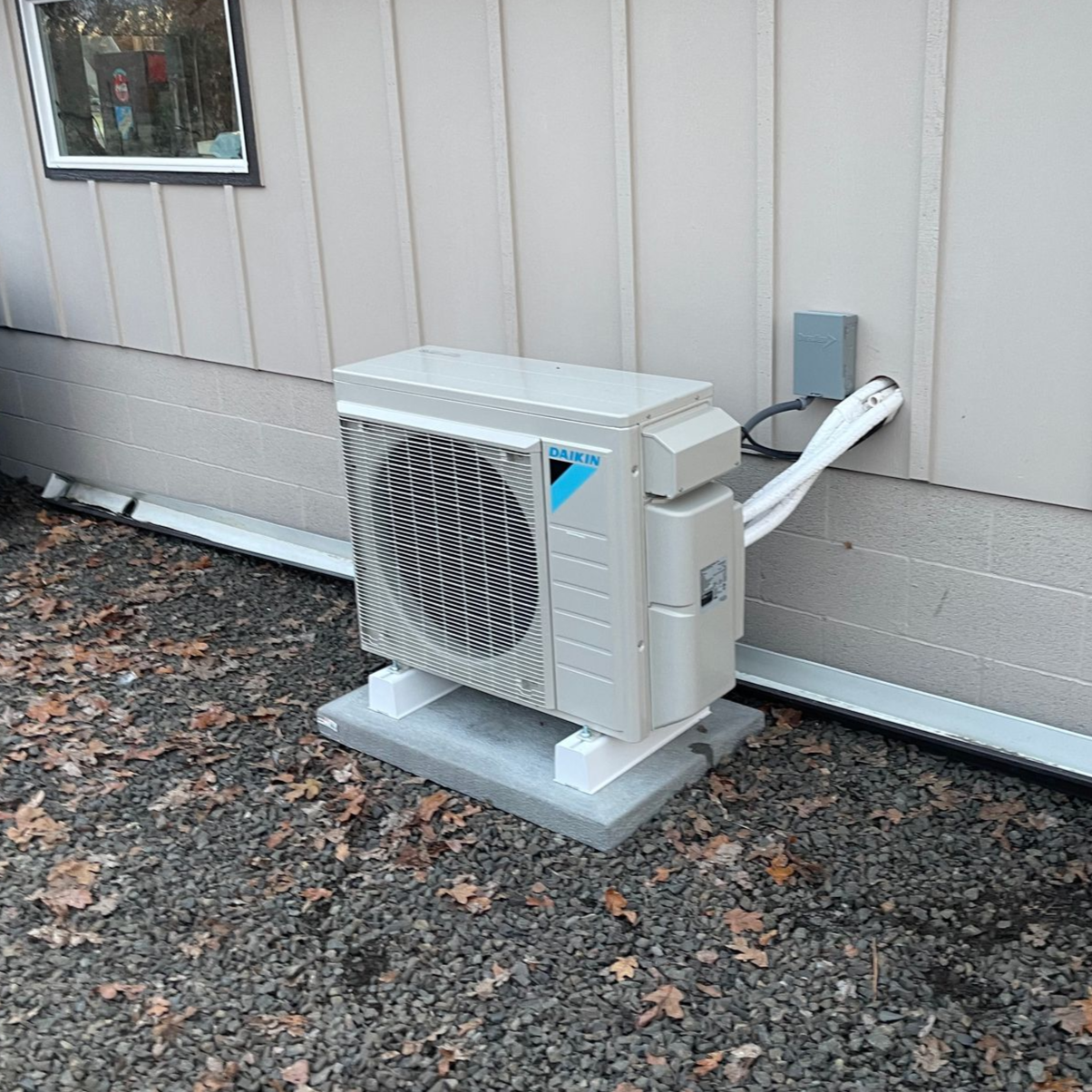
The outdoor unit needs room to move air. Shut the system off before clearing loose leaves, weeds, cottonwood fluff, and other debris from around it. Do not bend the coil fins or blast the coil with a pressure washer.
Make sure shrubs have not grown into the unit. Check that sprinklers are not soaking it and that roof runoff is not dumping water onto the cabinet. In winter, keep snow and ice from blocking airflow if the mini split also provides heat.
The equipment should sit level and stable. If the pad has shifted or the unit is leaning, have it corrected before strain develops on the refrigerant lines or drain.
Check Airflow and Temperature
Stand near the indoor head while it runs. Airflow should feel steady, and the louvers should move normally. Listen for rattling, buzzing, grinding, or a new clicking sound.
Then compare rooms. A single-zone unit that used to cool well but now struggles may have a dirty filter, dirty coil, refrigerant problem, sensor issue, or outdoor-unit problem. A multi-zone system can have a different issue if one head works and another does not.
Do not keep lowering the thermostat to force more cooling. That does not repair the cause. It only keeps the equipment running longer.
Watch for Water Leaks
In cooling mode, a mini split removes moisture from the indoor air. That water leaves through a drain line. A clogged, pinched, or poorly pitched drain can send water down the wall or into the room.
If you see dripping from the indoor head, turn the unit off and protect the wall and floor. Do not pour drain cleaner into the equipment. A technician should inspect the drain pan, line, pump if present, and coil condition.
Water around the outdoor unit can be normal condensation or defrost water, depending on operating mode. Water coming from the indoor unit is not normal.
Clean the Remote and Confirm the Settings
Mini split remotes have enough modes to create confusion. Confirm that the unit is set to cooling rather than fan, dry, or automatic mode. Check the temperature, fan speed, and timer settings. Replace weak remote batteries.
If the unit uses an app or wired controller, check for error messages. Write down any code before resetting power. That code can save diagnostic time.
What Professional Mini Split Maintenance Includes
A proper maintenance visit goes past the filters. The exact work depends on the model and its condition, but a technician may:
- Inspect and clean the indoor coil and blower wheel.
- Check the condensate pan, drain line, and drain pump.
- Clean the outdoor coil without damaging the fins.
- Inspect electrical connections and operating components.
- Check refrigerant performance and look for signs of a leak.
- Verify temperature change, airflow, controls, and communication between units.
- Inspect the line-set insulation and mounting hardware.
Refrigerant work is not a homeowner task. If the system is low, adding refrigerant without finding the leak leaves the real problem in place.
How Often Does a Mini Split Need Professional Maintenance?
An annual visit is a reasonable baseline for most homes. Systems that run for both heating and cooling, serve dusty spaces, or operate around pets may need attention more often. A rental, shop, or commercial space can also load the equipment faster than a lightly used bedroom unit.
The best schedule comes from how the equipment is used and what the technician finds. If the blower wheel is heavily loaded after one year, waiting another full year is probably too long.
Signs You Should Schedule Service Now
Do not wait for the annual visit if you notice:
- Weak airflow after the filters are cleaned.
- Water dripping from the indoor unit.
- Ice on the coil or refrigerant lines.
- A musty, sour, or burning smell.
- New buzzing, rattling, or grinding sounds.
- One zone that will not heat or cool.
- Frequent error codes or shutdowns.
- A sudden change in power use.
Mini splits are compact, but the refrigeration and control systems are not simple. Trademark Tek installs and services ductless systems throughout Southern Oregon. If your system needs more than a filter cleaning, call 541-500-0663 or learn more about residential cooling services.
Get a Free Quote
Submit your project info to schedule your free in-person quote today.